Rehearsal dinner
- Oak Barrel Public House, the whole second floor
- 30 to 180 guests, family style, the night before

The vendor guide
Every vendor you will hire, roughly in the order you will hire them. What each usually costs, and what to ask before you sign.
How to read this
The budget shares are the thirteen lines the planning guide’s calculator uses, drawn from The Knot’s published breakdowns. The questions are short on purpose.
Ask before you book
Four of our own weddings. Each photograph links to the vendor section it belongs to.
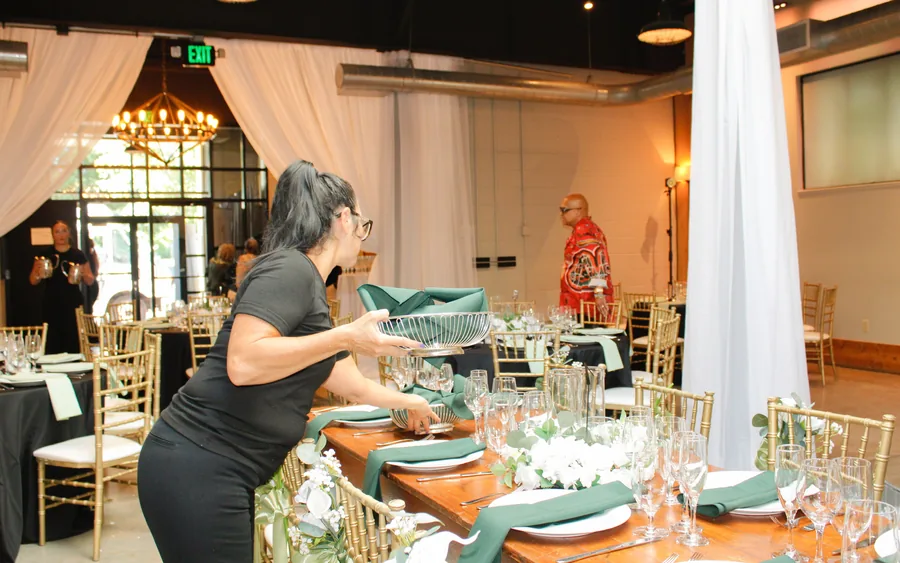



First, because everything else waits on it
Book the venue before anything else: the date does not exist until it is signed. Tour with your rough guest count in hand and ask what the rental fee buys. Some venues include tables, chairs, linens and a coordinator; others hand you an empty room. That missing list is where two similar quotes stop matching.
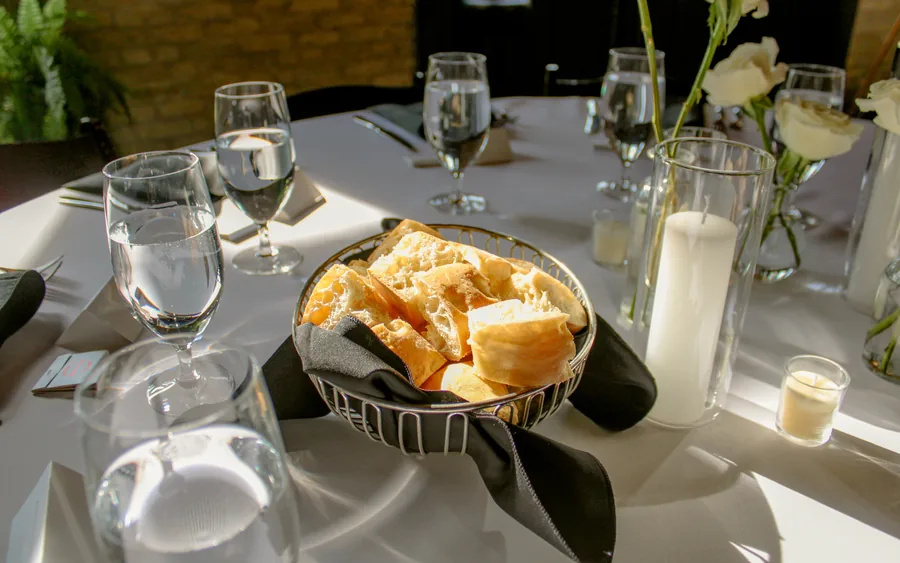
Second, and it books early
All seven caterer questions are on the planning guide; the five that change the quote are below.
Priced separately
There are two ways to pay for a bar: per head for a fixed number of hours, or by what is actually poured. Per head is predictable and usually costs more.
Consumption is cheaper for a crowd that does not drink much, and dangerous for one that does. Decide which crowd you have before the venue decides for you.
The one line that survives the day
Everything else is gone by midnight. The photographs are what you have in thirty years. Look at a full wedding gallery, not the highlight reel, because the highlight reel is the twenty best frames of a nine-hour day and you are buying the rest of the day too.
DJ or band
A good DJ is also your MC: the timeline that night runs through their microphone. Ask how they read a room that is not dancing, because that is the job. A band is louder, later and more expensive, and whether that is worth it is your call.
Not a relative, not a guest
A day-of coordinator tells the DJ the toasts moved, finds the florist’s van and keeps the timeline while you are in photographs. Whether you need full planning depends on how much of the year you want to spend on this. Either way, the person you meet should be the one there on the day.
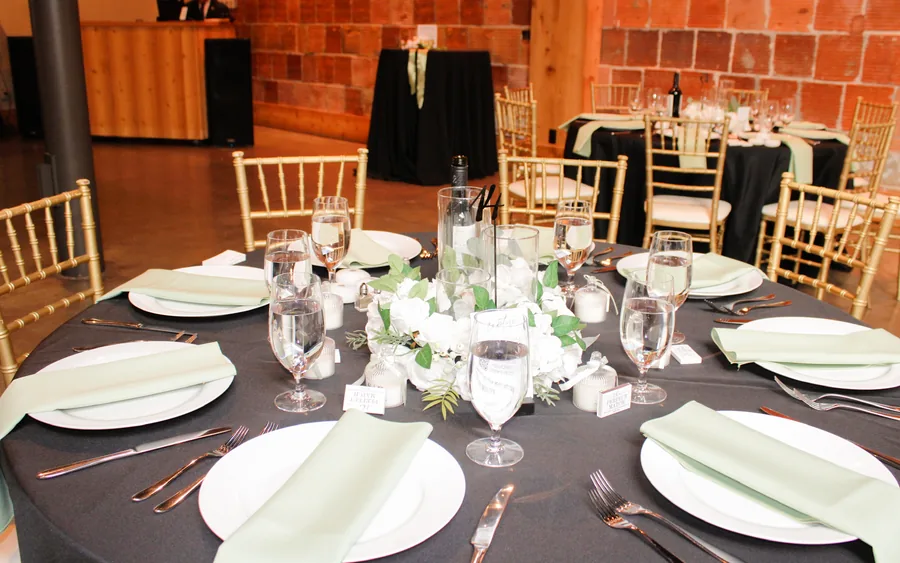
Buy in season, use them twice
Flowers in season cost less and look better. Ceremony flowers can be carried to the reception and used again, which halves one bill. Ask for a mock-up of the centerpiece before you sign off on the order, because a photograph of somebody else’s centerpiece is not yours.
Start earlier than feels necessary
Order attire early and put the fittings on the calendar, because alterations take longer than anyone plans for. Book hair and makeup trials with the same person who will be there that morning, and time the trial so you can live with the result for a day before you decide.
So nobody in your party drives
If your guests are at a hotel and your venue is not, somebody has to move them, and the cheapest way to move a hundred people is one bus running more than once. We run shuttles; the rate and the pickup timing are on the shuttle page.
The small lines
Ask whether the venue charges to cut it. Late-night food around ten is the best money on the whole list.
Postage is the line people forget. Weigh one finished invitation before you print two hundred.
Wisconsin marriage licenses are issued by the county clerk with a waiting period, so apply early. Ask the officiant to attend the rehearsal.
Order early enough to resize once.
Keep it. Something always comes up, and it is usually a rental.
One building, one call
The rehearsal dinner room, the rooms upstairs, the caterer and the shuttle are the same group.
Questions
Venue first. Everything else on this list waits on that signature. Then the vendors who only do one wedding a day: caterer, photographer, band or DJ, and a planner if you want one. Flowers, attire, transport and stationery follow. Cake, rings and the officiant can wait until the middle months.
Same split as the planning guide’s calculator: about 35 percent to venue, catering, staffing and rentals, and another 10 to the bar.
Twelve months or more for a summer Saturday, and earlier still for the most-wanted dates. Fridays, Sundays and winter dates are far easier to get and usually cheaper.
Not always, but most weddings with more than a handful of vendors need a day-of coordinator: one person who is not a guest, holds the timeline, and answers the vendors while you are in photographs. Full planning is for couples who do not want to spend a year on this.
The one that is us
Where the food is cooked, what the service charge covers, who is there on the day. We would rather you asked.
Request a quoteOr call Alexa directly at 414-518-6746